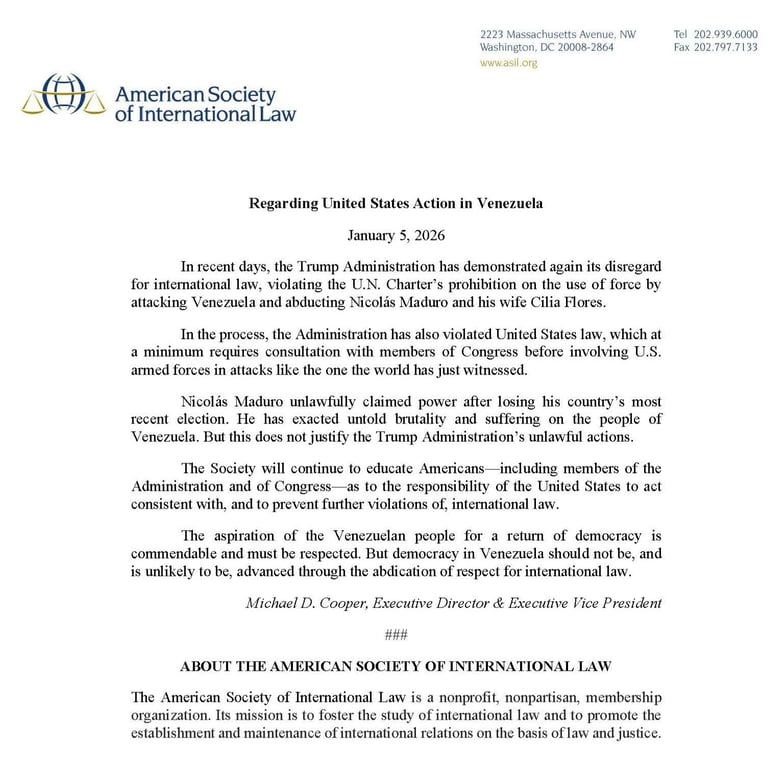


Voici le lien permettant de lire l’acte d’accusation.
https://www.justice.gov/opa/media/1422326/dl
Ci-dessous, la retranscription de l’intégralité de l’acte d’accusation tel que présenté sur le lien.
UNITED STATES DISTRICT COURT SOUTHERN DISTRICT OF NEW YORK
SEALED SUPERSEDING INDICTMENT S4 11 Cr. 205 (AKH)
UNITED STATES OF AMERICA V. NICOLAS MADURO MOROS, DIOSDADO CABELLO RONDON, RAMON RODRIGUEZ CHACIN, CILIA ADELA FLORES DE MADURO, NICOLAS ERNESTO MADURO GUERRA, a/k/a "Nicolasito," a/k/a "The Prince," and HECTOR RUSTHENFORD GUERRERO FLORES, a/k/a "Nifio Guerrero," Defendants.
The Grand Jury charges: INTRODUCTION SEALED SUPERSEDING INDICTMENT S4 11 Cr. 205 (AKH)
1. For over 25 years, leaders of Venezuela have abused their positions of public trust and corrupted once-legitimate institutions to import tons of cocaine into the United States.
2. NICOLAS MADURO MOROS, the defendant, is at the forefront of that corruption and has partnered with his co-conspirators to use his illegally obtained authority and the institutions he corroded to transport thousands of tons of cocaine to the United States. Since his early days in Venezuelan government, MADURO MOROS has tarnished every public office he has held. As a member of Venezuela's National Assembly, MADURO MOROS moved loads of cocaine under the protection of Venezuelan law enforcement. As Venezuela's Minister of Foreign Affairs, MADURO MOROS provided Venezuelan diplomatic passports to drug traffickers and facilitated diplomatic cover for planes used by money launderers to repatriate drug proceeds from Mexico to Venezuela. As Venezuela's President and now-de facto ruler, MADURO MOROS allows cocaine-fueled corruption to flourish for his own benefit, for the benefit of members of his ruling regime, and for the benefit of his family members.
3. NICOLAS MADURO MOROS, the defendant, now sits atop a corrupt, illegitimate government that, for decades, has leveraged government power to protect and promote illegal activity, including drug trafficking. That drug trafficking has enriched and entrenched Venezuela's political and military elite, including Minister of the Interior, Justice and Peace DIOSDADO CABELLO RONDON, the defendant, and former Minister of the Interior and Justice RAMON RODRIGUEZ CHACIN, the defendant. That massive-scale drug trafficking has also concentrated power and wealth in the hands of MADURO MOROS's family, including his wife, the purported First Lady of Venezuela CILIA ADELA FLORES DE MADURO, the defendant, and MADURO MOROS's son, member of Venezuela's National Assembly NICOLAS ERNESTO MADURO GUERRA, a/k/a "Nicolasito," a/k/a "The Prince," the defendant. This cycle of narcotics-based corruption lines the pockets of Venezuelan officials and their families while also benefiting violent narco-terrorists who operate with impunity on Venezuelan soil and who help produce, protect, and transport tons of cocaine to the United States.
4. At various times since in or about 1999, Venezuelan officials, including NICOLAS MADURO MOROS, DIOSDADO CABELLO RONDON, and RAMON RODRIGUEZ CHACIN, the defendants, have partnered with narco-terrorists from the Fuerzas Armadas Revolucionarias de Colombia ("F ARC"), Ejercito de Liberaci6n Nacional ("ELN"), the Sinaloa Cartel, the Zetas, and Tren de Aragua ("TdA"), including TdA's leader, HECTOR RUSTHENFORD GUERRERO FLORES, a/k/a "Nifio Guerrero," the defendant. In sum, MADURO MOROS and his co-conspirators have, for decades, partnered with some of the most violent and prolific drug traffickers and narco-terrorists in the world, and relied on corrupt officials throughout the region, to distribute tons of cocaine to the United States.
THE DEFENDANTS
5. NICOLAS MADURO MOROS, the defendant, a Venezuelan citizen, was previously the President of Venezuela, and is now, having remained in power despite losses in recent elections, the de facto but illegitimate ruler of the country. MADURO MOROS also previously held a seat in Venezuela's National Assembly between in or about 2000 and in or about 2006, acted as the Venezuelan Minister of Foreign Affairs between in or about 2006 and in or about 2013, and acted as the Vice President of Venezuela in or about 2013. MADURO MOROS succeeded to the Venezuelan presidency after former President Hugo Chavez died in or about 2013 and, during MADURO MOROS's own presidency, continued to participate in cocaine trafficking with drug dealers and narco-terrorist groups. In or about 2018, MADURO MOROS declared victory in a disputed and internationally condemned presidential election in Venezuela. In or about 2019, Venezuela's National Assembly invoked the Venezuelan constitution and declared that MADURO MOROS had usurped power and was not the legitimate President of Venezuela. Nonetheless, MADURO MOROS continued to exercise the powers of the Venezuelan presidency, causing more than 50 countries, including the United States, to refuse to recognize MADURO MOROS as Venezuela's head of state. In or about 2024, Venezuela held another presidential election that was again widely criticized by the international community, in which MADURO MOROS declared himself the winner despite widespread condemnation.
6. DIOSDADO CABELLO RONDON, the defendant, a Venezuelan citizen, is the Minister of the Interior, Justice and Peace, a member of the Venezuelan armed forces, and the Vice President of the ruling United Socialist Party of Venezuela. CABELLO RONDON is widely recognized as one of the most powerful officials in Venezuela. CABELLO RONDON previously acted as Chief of Staff to Chavez in or about 2001, Vice President of Venezuela in or about 2002, Governor of Venezuela's Miranda State between in or about 2004 and in or about 2008, and President of Venezuela's National Assembly between in or about 2012 and in or about 2016. Between in or about 2017 and in or about 2020, CABELLO RONDON acted as a member and then President of Venezuela's National Constituent Assembly, following the illegitimate creation of the National Constituent Assembly, which siphoned the constitutional powers of Venezuela's National Assembly and further entrenched MADURO MOROS's regime. Following the dissolution of the National Constituent Assembly in or about 2020, CABELLO RONDON became a member of Venezuela's National Assembly between in or about 2021 and in or about 2024.
7. RAMON RODRJGUEZ CHACIN, the defendant, is a Venezuelan politician and former member of the armed forces, who served as the Minister of the Interior and Justice between in or about 2002 and 2008. Between in or about 2012 and in or about 2017, RODRJGUEZ CHACiN was the Governor of Venezuela's Guarico State.
8. CILIA ADELA FLORES DE MADURO, the defendant, is the de facto First Lady of Venezuela, having married NICOLAS MADURO MOROS, the defendant, in or about 2013. FLORES DE MADURO has had a longstanding political career. FLORES DE MADURO has acted as the President of the National Assembly (starting when MADURO MOROS left that role to become Minister of Foreign Affairs) between in or about 2006 and in or about 2011 , as the Attorney General of Venezuela between in or about 2012 and in or about 2013, and as a member of the National Constituent Assembly starting in or about 2017.
9. NICOLAS ERNESTO MADURO GUERRA, a/k/a "Nicolasito," a/k/a "The Prince," the defendant, is the son of NICOLAS MADURO MOROS, the defendant, and a corrupt Venezuelan politician. MADURO GUERRA entered politics after his father, MADURO MOROS, became the President of Venezuela in or about 2013. At that time, MADURO MOROS appointed MADURO GUERRA the "Head of the Corps of Special Inspectors of the Presidency," a position which was created for MADURO GUERRA. In or about 2017, MADURO GUERRA entered Venezuela's National Constituent Assembly, and in or about January 2021 , MADURO GUERRA entered Venezuela's National Assembly, where he continues to hold office.
10. HECTOR RUSTHENFORD GUERRERO FLORES, a/k/a "Nifio Guerrero," the defendant, has, for over a decade, served as either the leader or co-leader of TdA, during which time TdA members and associates have engaged in a wide range of crimes, including extortions, kidnappings, murders, drug trafficking, gun trafficking, prostitution, sex trafficking, robberies, bank burglaries, and money laundering in Venezuela, the United States, and elsewhere.
THE NARCO-TERRORIST ORGANIZATIONS WORKING IN PARTNERSHIP WITH THE DEFENDANTS
11. The FARC, since its founding in 1964, has become one of the largest producers of cocaine in the world. The F ARC has generated significant revenue through its cocaine trafficking, which it used to fund its operations, including, for example, large-scale weapons purchases and terrorist attacks. The F ARC has also directed violent acts against United States persons and property in foreign jurisdictions, including, but not limited to, Colombia. For example, from at least in or about 2003 to in or about 2008, F ARC leadership ordered F ARC members to kidnap and murder United States citizens and to attack United States interests in order to dissuade the United States from continuing its efforts to fumigate and disrupt the FARC's manufacturing and distribution of cocaine and cocaine paste. Consistent with these activities, in or about 1997, the U.S. Department of State ("State Department") designated the F ARC as a foreign terrorist organization ("FTO") pursuant to Section 219 of the Immigration and Nationality Act ("INA"). On November 30, 2021 , the State Department removed the FARC from the FTO list and simultaneously designated two F ARC successor organizations as FTOs pursuant to Section 219 of the INA: the F ARC-EP and Segunda Marquetalia, both of which remain so designated as of the filing of this Superseding Indictment.
12. The ELN has operated as a Colombian terrorist group since 1965, dedicated to the violent overthrow of the democratically elected government of Colombia. In furtherance of its anti-government agenda, the ELN has committed kidnappings, bombings, and other violent attacks targeting civilians and Colombian law enforcement. In addition, the ELN exports tons of cocaine annually to the United States and elsewhere in order to finance its terrorist activities, and has, at various times, partnered with other Colombian guerilla groups in pursuit of its cocaine trafficking and violent agenda. Consistent with these activities, in or about 1997, the State Department designated the ELN as an FTO pursuant to Section 219 of the INA. ELN remains so designated as of the filing of this Superseding Indictment.
13. The Sinaloa Cartel, based in the Mexican state of Sinaloa, has its roots in the late 1980s, when the so-called Mexican Federation functioned as a council with representatives from the respective drug trafficking organizations of its principal leaders. During the late 1980s and 1990s, the members of the Mexican Federation partnered with Colombian sources of supply to transport drugs through Mexico and into the United States. In the early 2000s, Joaquin Archivaldo Guzman Loera, a/k/a "El Chapo," and Ismael Zambada Garcia, a/k/a "El Mayo," formed a partnership that led to transformation of the Mexican Federation into the Sinaloa Cartel, which became the largest drug trafficking organization in the world. At present, the Sinaloa Cartel is highly organized and active in more than half of all states in Mexico. Through a sophisticated and heavily armed security apparatus, the Sinaloa Cartel wields power through fear, threats, and violence, including by killing police, civilians, and members of other criminal groups who encroach on their territory without authorization. Members of the Sinaloa Cartel may also be killed for perceived disloyalty, disobedience, or to send a message. To further and protect its drug interests, the Sinaloa Cartel engages in other criminal conduct, including bribery, extortion, and weapons trafficking. As an additional means of revenue and profit, the Sinaloa Cartel engages in migrant smuggling and human trafficking. Consistent with these activities, in or about February 2025, the State Department designated the Sinaloa Cartel as an FTO pursuant to Section 219 of the INA. The Sinaloa Cartel remains so designated as of the filing of this Superseding Indictment.
14. The Zetas, later known as the Cartel def Noreste ("CDN"), is a violent and prolific transnational drug organization based in northeastern Mexico involved in drug trafficking, kidnapping, extortion, human smuggling, and other illicit activities. The Zetas use violence to exert criminal control, including attacks against government officials in Mexico. Between in or about 2000 and in or about 2010, the Zetas formed an alliance with the Gulf Cartel, a group of drug traffickers primarily based in northern Mexico, whereby the Zetas served as the armed militaristic wing of the Gulf Cartel to maintain control of drug trafficking routes throughout Mexico. The Zetas recruited members of the Mexican special forces, along with drug traffickers who never served in the military or with a police force, to join the organization. In or about the summer of 2010, the Zetas and Gulf Cartel's alliance fractured, after a period of intense violence between the organizations. At that time, the Zetas operated as an independent drug trafficking organization that imported ton-quantities of cocaine to the United States. Consistent with these activities, in or about February 2025, the State Department designated CDN, formerly known as the Zetas, as an FTO pursuant to Section 219 of the INA. CDN (referred to as the "Zetas" in this Superseding Indictment) remains so designated as of the filing ofthis Superseding Indictment.
15. TdA is a violent transnational criminal organization that originated as a prison gang in Venezuela. TdA has expanded its criminal network throughout the Western Hemisphere and established a presence in the United States, including New York. Td.A's criminal activities include human smuggling and other illicit acts. TdA has developed additional revenue sources through a range of other criminal activities, including drug trafficking, firearms trafficking, commercial sex trafficking, kidnapping, robbery, theft, fraud, and extortion. TdA members also commit murder, assault, and other acts of violence to enforce and further the organization's criminal activities. TdA has formed ties with other criminal groups operating in the Western Hemisphere and, at times, is willing to collaborate with other criminal groups and organizations on a local and ad hoc basis. Consistent with these activities, in or about February 2025, the State Department designated TdA as an FTO pursuant to Section 219 of the INA. TdA remains so designated as of the filing of this Superseding Indictment.
THE DEFENDANTS' CORRUPT DRUG TRAFFICKING AND CONNECTIONS TO NARCO-TERRORIST GROUPS
16. NICOLAS MADURO MOROS, the defendant-like former President Chavez before him-participates in, perpetuates, and protects a culture of corruption in which powerful Venezuelan elites enrich themselves through drug trafficking and the protection of their partner drug traffickers. The profits of that illegal activity flow to corrupt rank-and-file civilian, military, and intelligence officials, who operate in a patronage system run by those at the top-referred to as the Cartel de Los Soles or Cartel of the Suns, a reference to the sun insignia affixed to the uniforms of high-ranking Venezuelan military officials.
17. Venezuela sits in a geographically valuable location for drug traffickers, with northern access to the Caribbean Sea via several large ports and western access to the mountainous regions of Colombia, where coca is grown and turned into the vast majority of the world's cocaine supply in jungle laboratories. Starting in or about 1999, Venezuela became a safe haven for drug traffickers willing to pay for protection and support corrupt Venezuelan civilian and military officials, who operated outside the reach of Colombian law enforcement and armed forces bolstered by United States anti-narcotics assistance.
18. In that environment, cocaine trafficking flourished. Venezuelan officials and their family members-including NICOLAS MADURO MOROS, DIOSDADO CABELLO RONDON, RAMON RODRIGUEZ CHACIN, CILIA ADELA FLORES DE MADURO, and NICOLAS ERNESTO MADURO GUERRA, a/k/a "Nicolasito," a/k/a "The Prince," the defendants-partnered with narcotics traffickers and narco-terrorist groups, who dispatched processed cocaine from Venezuela to the United States via transshipment points in the Caribbean and Central America, such as Honduras, Guatemala, and Mexico. By in or about 2020, the State Department estimated that between 200 and 250 tons of cocaine were trafficked through Venezuela annually. The maritime shipments were shipped north from Venezuela's coastline using go-fast vessels, fishing boats, and container ships. Air shipments were often dispatched from clandestine airstrips, typically made of dirt or grass, and also from commercial airports under the control of corrupt government and military officials.
19. Through this drug trafficking, NICOLAS MADURO MOROS, the defendant, and corrupt members of his regime enabled corruption fueled by drug trafficking throughout the region. The transshipment points in Honduras, Guatemala, and Mexico similarly relied on a culture of corruption, in which cocaine traffickers operating in those countries paid a portion of their own profits to politicians who protected and aided them. In turn, these politicians used the cocainefueled payments to maintain and augment their political power. So, too, were politicians along the "Caribbean route" corrupted by cocaine traffickers, who would pay them for protection from arrest and to allow favored traffickers to operate with impunity as they trafficked cocaine from Venezuela north towards the United States. Thus, at every step--relying on the producers in Colombia, transporters and distributors in Venezuela, and recipients and re-distributors on transshipment points north-the traffickers enriched themselves and their corrupt benefactors who protected and aided them.
20. Similarly, NICOLAS MADURO MOROS, DIOSDADO CABELLO RONDON, RAMON RODRIGUEZ CHACIN, the defendants, and other corrupt members of the regime facilitated the empowerment and growth of violent narco-terrorist groups fueling their organizations with cocaine profits. These narco-terrorist organizations not only worked directly with and sent profits to high-ranking Venezuelan officials, but also reaped the benefits of the increased value of that cocaine at each transshipment point along the way to the United States, where demand and thus the price of cocaine is highest. Those organizations include the F ARC and ELN, which control cocaine production in the mountainous regions of Colombia; the Sinaloa Cartel and Zetas, which control routes in Central America and the methods for crossing cocaine from Mexico into the United States; and TdA, which controls a criminal network able to assist with the transportation of cocaine within Venezuela and on the Venezuelan coast.
OVERT ACTS IN FURTHERANCE OF THE DEFENDANTS' DRUG TRAFFICKING AND NARCO-TERRORISM CONSPIRACIES
21. The defendants, together and with others, engaged in a relentless campaign of cocaine trafficking throughout the time period charged in this Superseding Indictment, resulting in the distribution of thousands of tons of cocaine to the United States. Throughout, NICOLAS MADURO MOROS, the· defendant, along with members of his family and other corrupt officials, provided law enforcement cover and logistical support for the transport of cocaine through Venezuela, with knowledge that their drug trafficking partners would move the cocaine north to the United States. While this conduct occurred regularly and repeatedly throughout the time period charged, below are certain examples of acts engaged in by the defendants in furtherance of their drug trafficking, including in partnership with narco-terrorist groups: a. Between approximately 2006 and 2008, while acting as Venezuela's Minister of Foreign Affairs, MADURO MOROS sold Venezuelan diplomatic passports to individuals that MADURO MOROS knew were drug traffickers in order to assist traffickers seeking to move drug proceeds from Mexico to Venezuela under diplomatic cover. When the drug traffickers needed to move drug proceeds from Mexico back to Venezuela, MADURO MOROS facilitated the movement of private planes under diplomatic cover to ensure the flights received no scrutiny from law enforcement or the military. On these occasions, MADURO MOROS called the Venezuelan embassy in Mexico to advise that a diplomatic mission would be arriving by private plane. Then, while the traffickers met with the Venezuelan Ambassador to Mexico under the auspices of a diplomatic mission from MADURO MOROS, their plane was loaded with the drug proceeds. The plane would then return to Venezuela under diplomatic cover. b. In approximately 2007, CILIA ADELA FLORES DE MADURO, the defendant, attended a meeting in which FLORES DE MADURO accepted hundreds of thousands of dollars in bribes to broker a meeting between a large-scale drug trafficker and the director of Venezuela's National Anti-Drug Office, Nestor Reverol Torres. The drug trafficker later arranged to pay a monthly bribe to Reverol Torres, in addition to approximately $100,000 for each flight that was transporting cocaine to ensure the flight's safe passage, a portion of which was then paid to FLORES DE MADURO. In or about 2015, Reverol Torres was charged with narcotics offenses in the Eastern District of New York and is a fugitive. c. Between in or about 2003 and in or about 2011, while DIOSDADO CABELLO RONDON, the defendant, occupied various official positions in Venezuela, the Zetas worked with a group of Colombian drug traffickers to dispatch cargo containers on container ships carrying five to six tons of cocaine each, and sometimes as much as 20 tons each, from ports in Venezuela to ports in Mexico, and ultimately to the United States. The tens of thousands of kilograms of cocaine sent by this group were protected in Venezuela by Venezuelan military officials referred to as "the generals." d. Between in or about 2004 and in or about 2015, MADURO MOROS and FLORES DE MADURO worked together to traffic cocaine, much of which had been previously seized by Venezuelan law enforcement, with the assistance of armed military escorts. During this time, MADURO MOROS and FLORES DE MADURO maintained their own groups of statesponsored gangs known as colectivos to facilitate and protect their drug trafficking operation. MADURO MOROS and FLORES DE MADURO also ordered kidnappings, beatings, and murders against those who owed them drug money or otherwise undermined their drug trafficking operation, including ordering the murder of a local drug boss in Caracas, Venezuela. e. In or about 2006, Venezuelan officials dispatched more than 5.5 tons of cocame from Venezuela to Mexico on a DC-9 jet. CABELLO RONDON; then-director of Venezuela's military intelligence agency, Hugo Armando Carvajal Barrios, a/k/a "El Pollo," who, in June 2025, pled guilty in this District to the narco-terrorism, narcotics, and weapons offenses in the First Superseding Indictment in this case, Sl 11 Cr. 205 (AKH); and Venezuelan National Guard Captain Vassyly Kotosky Villarroel Ramirez worked with other members of the Venezuelan regime to coordinate the shipment. The more than 5 .5 tons of cocaine were transported in approximately five vans to the hangar reserved for the Venezuelan president at Simon Bolivar International Airport in Maiquetia, Venezuela ( the "Maiquetia Airport"). At the Maiquetia Airport, members of the Venezuelan National Guard loaded the cocaine onto the plane, which took off using a flight plan that Villarroel Ramirez approved in exchange for bribes. Despite the payment of those bribes, when the plane landed at Ciudad del Carmen Airport in Campeche, Mexico, Mexican authorities seized more than 5.5 tons of cocaine. Shortly after the seizure, Villarroel Ramirez told the Venezuelan drug traffickers who worked with him that they needed to pay CABELLO RONDON a bribe to ensure that those who had assisted them at the Maiquetia Airport would not be arrested. Villarroel Ramirez then arranged a meeting with CABELLO RONDON, after which the traffickers paid approximately $2,500,000 to CABELLO RONDON through his family member. In or about 2013, Villarroel Ramirez was charged with narcotics offenses in the Eastern District of New York and is a fugitive. f. Between approximately 2006 and 2008, HECTOR RUSTHENFORD GUERRERO FLORES, a/k/a "Nifio Guerrero," the defendant, worked with one of the largest drug traffickers in Venezuela, Walid Makled. Members of the Venezuelan regime helped protect Makled's cocaine shipments that were transported from San Fernando de Apure, Venezuela, to Valencia, Venezuela, and were then sent by plane from the Valencia international airport to Mexico and other locations in Central America for eventual distribution to the United States. Between in or about 2008 and in or about 2009, GUERRERO FLORES also provided another major Venezuelan drug trafficker with protection for cocaine shipments moving through Venezuela, including by providing armed men who carried, among other automatic weapons, AK47s, MP5s, and AR-15s, as well as grenades. At times, GUERRERO FLORES personally accompanied large cocaine loads as they were guarded by the teams of armed men, en route to airports or airstrips for transport north and eventual distribution to the United States. GUERRERO FLORES was paid a fee per kilogram of cocaine transported or received and he sometimes received an interest in portions of these massive cocaine shipments in lieu of payment. The traffickers that GUERRERO FLORES worked with moved thousands of kilograms per shipment, multiple times per month, resulting in the distribution of hundreds of tons of cocaine to the United States. In or about 2009, Makled was charged with narcotics offenses in this District and is a fugitive. g. In or about 2008, RAMON RODRIGUEZ CHACIN, the defendant, maintained a large estate in Barinas State, Venezuela, which contained a large F ARC encampment and training school, with approximately 200 armed F ARC members carrying automatic rifles at any given time. During this time, RODRIGUEZ CHACiN accepted tens of thousands of dollars in bribes to use his corrupt influence to shield a large-scale drug trafficker from arrest and extradition. During subsequent meetings with the drug trafficker between in or about 2008 and in or about 2010, RODRIGUEZ CHACiN discussed trafficking multi-ton quantities of cocaine with other Venezuelan officials, including Carvajal Barrios. h. In or about 2011, the Sinaloa Cartel's then-leader, Joaquin Archivaldo Guzman Loera, a/k/a "El Chapo," financed cocaine laboratories in Colombia. Cocaine produced in those laboratories was then transported under the protection of the F ARC into Venezuela, and received protection en route to an airstrip from Carvajal Barrios, a close ally of MADURO MOROS and CABELLO RONDON. 1. In or about September 2013, mere months after MADURO MOROS succeeded to the Venezuelan presidency, Venezuelan officials dispatched approximately 1.3 tons of cocaine on a commercial flight from the Maiquetia Airport to Paris Charles de Gaulle Airport. French authorities seized the cocaine. Following the seizure, MADURO MOROS convened a meeting with, among others, CABELLO RONDON and Carvajal Barrios. During the meeting, MADURO MOROS told CABELLO RONDON and Carvajal Barrios that they should not have used the Maiquetia Airport for drug trafficking after the 2006 seizure in Mexico, and that they should instead use other well-established drug routes and locations to dispatch cocaine. Shortly thereafter, MADURO MOROS and others authorized the arrests of certain Venezuelan military officials in an effort to divert public and law enforcement scrutiny away from MADURO MOROS's, CABELLO RONDON's, and Carvajal Barrios's participation in the shipment and its coverup. J. Between approximately 2014 and 2015, a captain m the Venezuelan National Guard on Margarita Island, Venezuela, coordinated hotels, transportation, women, and food for visits by Venezuelan officials, including NICOLAS ERNESTO MADURO GUERRA, a/k/a "Nicolasito," a/k/a "The Prince," the defendant, who visited Margarita Island approximately twice monthly. MADURO GUERRA would arrive on a Falcon 900 plane owned by Venezuela's state oil company, Petr6leos de Venezuela, S.A. ("PDVSA"). Before leaving the island, MADURO GUERRA's PDVSA plane would be loaded, sometimes with the assistance of armed sergeants, with large packages wrapped in tape that the captain understood were drugs. MADURO GUERRA was present while the PDVSA plane was loaded and, on one occasion, stated that the plane could go wherever it wanted, including the United States. k. Between in or about October 2015 and in or about November 2015, Efrain Campo Flores and Franqui Francisco Flores de Freitas-two relatives of MADURO MOROS and FLORES DE MADURO-agreed during recorded meetings with DEA confidential sources to dispatch multi-hundred-kilogram cocaine shipments from MADURO MOROS's "presidential hangar" at the Maiquetia Airport. During recorded meetings with the sources, Campo Flores and Flores de Freitas explained that they were at "war" with the United States, described the Cartel de Los Soles, discussed a connection to a "commander for the F ARC" who was "supposedly high ranked," and indicated that they were seeking to raise $20 million in drug proceeds to support a campaign by FLORES DE MADURO in connection with a late-2015 election for the Venezuelan National Assembly. Campo Flores referred to MADURO MOROS as his "father," and stated that "what we want is for him to take control again of the ... National Assembly." In or about November 2016, Campo Flores and Flores de Freitas were convicted at trial in this District of conspiring to import cocaine into the United States. 1. In or about 201 7, MADURO GUERRA worked to ship hundreds of kilograms of cocaine from Venezuela to Miami, Florida. During this time, MADURO GUERRA spoke with his drug trafficking partners about, among other things, shipping low-quality cocaine to New York because it could not be sold in Miami, arranging a 500-kilogram shipment of cocaine to be unloaded from a cargo container near Miami, and using scrap metal containers to smuggle cocaine into the ports of New York. m. In or about 2018 and 2019, RODRIGUEZ CHACIN made multiple trips from Barinas State to Caracas with a key F ARC leader for meetings with MADURO MOROS. These trips were part of a long history of RODRIGUEZ CHACIN' s regular meetings with F ARC and ELN members in both their jungle encampments and Barinas because RODRIGUEZ CHACIN was assigned by MADURO MOROS to provide the F ARC and ELN with protection and support. RODRIGUEZ CHACIN also brought F ARC leaders to meet MADURO MOROS at Miraflores, the presidential palace in Caracas, as well as at Fuerte Tiuna, the chief military complex in Caracas and headquarters of Venezuela's Ministry of Defense. n. In or about July 2019, shortly after certain FARC leaders had publicly returned to arms despite the signing of recent peace accords with the Colombian government, MADURO MOROS and CABELLO RONDON attended a videotaped press conference at which MADURO MOROS announced that the F ARC and its leaders were welcome in Venezuela. o. In or about 2019, TdA's leader, GUERRERO FLORES, discussed drug trafficking with an individual he understood to be working with the Venezuelan regime. Over multiple calls, GUERRERO FLORES offered to provide escort services for drug loads, explaining that GUERRERO FLORES and TdA had control of the coastlines of Venezuela's Aragua State. GUERRERO FLORES, speaking from TdA's base of operations in Tocor6n Prison, explained that TdA could handle the logistics of every aspect of the drug trade, including the use of storage compartments that GUERRERO FLORES called "cradles" located on a beach in Aragua State. In doing so, GUERRERO FLORES confirmed TdA's ability to protect over one ton of cocaine. p. In or about 2020, MADURO GUERRA attended a meeting in Medellin, Colombia, with two representatives of the F ARC. During the meeting, MADURO GUERRA discussed arrangements to move large quantities of cocaine and weapons through Colombia and into the United States over the course of the next six years, until in or about 2026. MADURO GUERRA also discussed paying the F ARC with weapons in connection with the cocaine loads. q. In or about 2007, at the direction of Carvajal Barrios, Venezuelan General Cliver Alcala Cordones delivered to F ARC leadership four crates of weapons from the Venezuelan Government, which included 20 grenades and two grenade launchers. In or or about June 2023, Alcala Cordones pled guilty in this District to conspiring to provide material support to the F ARC, an FTO, pursuant to the Third Superseding Information in this case, S3 11 Cr. 205 (AKH). r. Between in or about 2022 and in or about 2024, CABELLO RONDON regularly traveled to clandestine airstrips controlled by the ELN near the Colombia-Venezuela border to ensure the cocaine's continued safe passage in Venezuelan territory. From these airstrips, cocaine was dispatched out of Venezuela both on flights approved by Venezuelan military officials and on clandestine flights designed to avoid detection by law enforcement or militaries in South and Central America. s. In or about the end of 2024, CABELLO RONDON received narcotics proceeds from cocaine trafficking, and in or about 2025, Colombian drug traffickers discussed with an associate of CABELLO RONDON plans for continued cocaine trafficking through Venezuela.
STATUTORY ALLEGATIONS COUNT ONE (Narco-Terrorism Conspiracy)
22. Paragraphs 1 through 21 of this Superseding Indictment are realleged and incorporated by reference as though fully set forth herein.
23. From at least in or about 1999, up to and including in or about 2025, in an offense begun and committed out of the jurisdiction of any particular State or district of the United States, NICOLAS MADURO MOROS, DIOSDADO CABELLO RONDON, and RAMON RODRIGUEZ CHACIN, the defendants, and others known and unknown, at least one of whom has been and will be first brought to and arrested in the Southern District of New York, intentionally and knowingly combined, conspired, confederated, and agreed together and with each other to violate Title 21 , United States Code, Section 960a. 24. It was a part and an object of the conspiracy that NICOLAS MADURO MOROS, DIOSDADO CABELLO RONDON, and RAMON RODRIGUEZ CHACIN, the defendants, and others known and unknown, would and did engage in conduct that would be punishable under Title 21 , United States Code, Section 841 ( a), if committed within the jurisdiction of the United States, to wit, the distribution of, and possession with the intent to distribute, five kilograms and more of mixtures and substances containing a detectable amount of cocaine, knowing and intending to provide, directly and indirectly, something of pecuniary value to a person and organization that has engaged and engages in terrorism and terrorist activity (as defined in Title 8, United States Code, Section 1182(a)(2)(B)), or terrorism (as defined in Title 22, United States Code, Section 2656f(d)(2)), to wit, the following organizations that have been designated by the United States Secretary of State as FTOs pursuant to Section 219 of the INA, during times relevant to this Superseding Indictment: FARC, FARC-EP, Segunda Marquetalia, ELN, TdA, the Sinaloa Cartel, CDN, also known as the Zetas, and each organization's members, operatives, and associates, having knowledge that such organizations and persons have engaged and engage in terrorist activity and terrorism, in violation of Title 21, United States Code, Section 960a.
(Title 21, United States Code, Section 960a; and Title 18, United States Code, Section 3238.)
COUNT TWO (Cocaine Importation Conspiracy)
The Grand Jury further charges:
25. Paragraphs 1 through 21 of this Superseding Indictment are realleged and incorporated by reference as though fully set forth herein.
26. From at least in or about 1999, up to and including in or about 2025, in an offense begun and committed out of the jurisdiction of any particular State or district of the United States, NICOLAS MADURO MOROS, DIOSDADO CABELLO RONDON, RAMON RODRIGUEZ CHACIN, CILIA ADELA FLORES DE MADURO, NICOLAS ERNESTO MADURO GUERRA, a/k/a "Nicolasito," a/k/a "The Prince," and HECTOR RUSTHENFORD GUERRERO FLORES, a/k/a "Nifio Guerrero," the defendants, and others known and unknown, at least one of whom has been and will be first brought to and arrested in the Southern District of New York,
intentionally and knowingly combined, conspired, confederated, and agreed together and with each other to violate provisions of Title 21 , United States Code, Chapter 13, Subchapter II.
27. It was a part and an object of the conspiracy that NICOLAS MADURO MOROS, DIOSDADO CABELLO RONDON, RAMON RODRIGUEZ CHACIN, CILIA ADELA FLORES DE MADURO, NICOLAS ERNESTO MADURO GUERRA, a/k/a "Nicolasito," a/k/a "The Prince," and HECTOR RUSTHENFORD GUERRERO FLORES, a/k/a "Nino Guerrero," the defendants, and others known and unknown, would and did knowingly and intentionally import into the United States from a place outside thereof a controlled substance, in violation of Title 21 , United States Code, Sections 952(a) and 960(a)(l).
28. It was further a part and an object of the conspiracy that NICOLAS MADURO MOROS, DIOSDADO CABELLO RONDON, RAMON RODRIGUEZ CHACIN, CILIA ADELA FLORES DE MADURO, NICOLAS ERNESTO MADURO GUERRA, a/k/a "Nicolasito," a/k/a "The Prince," and HECTOR RUSTHENFORD GUERRERO FLORES, a/k/a "Nino Guerrero," the defendants, and others known and unknown, would and did manufacture, distribute, and possess with intent to distribute a controlled substance, intending, knowing, and having reasonable cause to believe that such substance would be unlawfully imported into the United States and into waters within a distance of 12 miles of the coast of the United States, in violation of Title 21 , United States Code, Sections 959(a) and 960(a)(3).
29. It was further a part and an object of the conspiracy that NICOLAS MADURO MOROS, DIOSDADO CABELLO RONDON, RAMON RODRIGUEZ CHACIN, CILIA ADELA FLORES DE MADURO, NICOLAS ERNESTO MADURO GUERRA, a/k/a "Nicolasito," a/k/a "The Prince," and HECTOR RUSTHENFORD GUERRERO FLORES, a/k/a "Nino Guerrero," the defendants, and others known and unknown, would and did, on board an aircraft registered in the United States, manufacture, distribute, and possess with intent to distribute a controlled substance, in violation of Title 21, United States Code, Sections 959(c) and 960(a)(3).
30. The controlled substance that NICOLAS MADURO MOROS, DIOSDADO CABELLO RONDON, RAMON RODRIGUEZ CHACIN, CILIA ADELA FLORES DE MADURO, NICOLAS ERNESTO MADURO GUERRA, a/k/a "Nicolasito," a/k/a "The Prince," and HECTOR RUSTHENFORD GUERRERO FLORES, a/k/a "Nifio Guerrero," the defendants, conspired to (i) import into the United States and into the customs territory of the United States from a place outside thereof, (ii) manufacture and distribute, intending, knowing, and having reasonable cause to believe that such substance would be unlawfully imported into the United States and into waters within a distance of 12 miles of the coast of the United States from a place outside thereof, and (iii) manufacture, distribute, and possess on board an aircraft registered in the United States, was five kilograms and more of mixtures and substances containing a detectable amount of cocaine, in violation of Title 21, United States Code, Section 960(b)(l)(B). (Title 21, United States Code, Section 963; and Title 18, United States Code, Section 3238.)
COUNT THREE (Possession of Machineguns and Destructive Devices)
The Grand Jury further charges:
31. Paragraphs 1 through 21 of this Superseding Indictment are realleged and incorporated by reference as though fully set forth herein.
32. From at least in or about 1999, up to and including in or about 2025, in an offense begun and committed out of the jurisdiction of any particular State or district of the United States, and for which at least one of two or more joint offenders has been and will be first brought to and arrested in the Southern District of New York, NICOLAS MADURO MOROS, DIOSDADO CABELLO RONDON, RAMON RODRIGUEZ CHACIN, CILIA ADELA FLORES DE MADURO, NICOLAS ERNESTO MADURO GUERRA, a/k/a "Nicolasito," a/k/a "The Prince," and HECTOR RUSTHENFORD GUERRERO FLORES, a/k/a "Nifio Guerrero," the defendants, during and in relation to a drug trafficking crime for which they may be prosecuted in a court of the United States, to wit, for MADURO MOROS, CABELLO RONDON, and RODRIGUEZ CHACIN, the controlled substance offenses charged in Counts One and Two of this Superseding Indictment, and for FLORES DE MADURO, MADURO GUERRA, and GUERRERO FLORES the controlled substance offense charged in Count Two of this Superseding Indictment, knowingly used and carried firearms, and, in furtherance of such crimes, knowingly possessed firearms, and aided and abetted the use, carrying, and possession of firearms, to wit, machineguns that were capable of automatically shooting more than one shot, without manual reloading, by a single function of the trigger, as well as destructive devices. (Title 18, United States Code, Sections 924(c)(l)(A), 924(c)(l)(B)(ii), 3238, and 2.)
COUNTFOUR (Conspiracy to Possess Machineguns and Destructive Devices)
The Grand Jury further charges:
33. Paragraphs 1 through 21 of this Superseding Indictment are realleged and incorporated by reference as though fully set forth herein.
34. From at least in or about 1999, up to and including in or about 2025, in an offense begun and committed out of the jurisdiction of any particular State or district of the United States, NICOLAS MADURO MOROS, DIOSDADO CABELLO RONDON, RAMON RODRIGUEZ CHACIN, CILIA ADELA FLORES DE MADURO, NICOLAS ERNESTO MADURO GUERRA, a/k/a "Nicolasito," a/k/a "The Prince," and HECTOR RUSTHENFORD GUERRERO FLORES, a/k/a "Nifio Guerrero," the defendants, and others known and unknown, at least one of whom has been and will be first brought to and arrested in the Southern District of New York intentionally and knowingly combined, conspired, confederated, and agreed together and with each other to violate Title 18, United States Code, Section 924( c ).
35. It was a part and an object of the conspiracy that NICOLAS MADURO MOROS, DIOSDADO CABELLO RONDON, RAMON RODRIGUEZ CHACIN, CILIA ADELA FLORES DE MADURO, NICOLAS ERNESTO MADURO GUERRA, a/k/a "Nicolasito," a/k/a "The Prince," and HECTOR RUSTHENFORD GUERRERO FLORES, a/k/a "Nifio Guerrero," the defendants, and others known and unknown, during and in relation to a drug trafficking crime for which they may be prosecuted in a court of the United States, to wit, for MADURO MOROS, CABELLO RONDON, and RODRIGUEZ CHACIN, the controlled substance offenses charged in Counts One and Two of this Superseding Indictment, and for FLORES DE MADURO,
MADURO GUERRA, and GUERRERO FLORES, the controlled substance offense charged in Count Two of this Superseding Indictment, knowingly used and carried firearms, and, in furtherance of such crimes, knowingly possessed firearms, and aided and abetted the use, carrying, and possession of firearms, to wit, machineguns that were capable of automatically shooting more than one shot, without manual reloading, by a single function of the trigger, as well as destructive devices, in violation of Title 18, United States Code, Sections 924(c)(l)(A) and 924(c)(l)(B)(ii).
(Title 18, United States Code, Sections 924(0) and 3238.)
FORFEITURE ALLEGATIONS
36. As a result of committing the controlled substance offense charged in Count One of this Superseding Indictment, NICOLAS MADURO MOROS, DIOSDADO CABELLO RONDON, RAMON RODRIGUEZ CHACIN, the defendants, shall forfeit to the United States, pursuant to Title 21, United States Code, Sections 853 and 970, any and all property constituting, or derived from, any proceeds the defendants obtained, directly or indirectly, as a result of the offenses, and any and all property used, or intended to be used, in any manner or part, to commit, and to facilitate the commission of the offense charged in Count One of this Superseding Indictment.
37. As a result of committing the controlled substance offense charged in Count Two of this Superseding Indictment, NICOLAS MADURO MOROS, DIOSDADO CABELLO RONDON, RAMON RODRIGUEZ CHACIN, CILIA ADELA FLORES DE MADURO, NICOLAS ERNESTO MADURO GUERRA, a/k/a "Nicolasito," a/k/a "The Prince," and HECTOR RUSTHENFORD GUERRERO FLORES, a/k/a "Nifio Guerrero," the defendants, shall forfeit to the United States, pursuant to Title 21 , United States Code, Sections 853 and 970, any and all property constituting, or derived from, any proceeds the defendants obtained, directly or indirectly, as a result of the offenses, and any and all property used, or intended to be used, in any manner or part, to commit, and to facilitate the commission of the offense charged in Count Two of this Superseding Indictment.
38. As a result of committing the firearms offenses charged in Counts Three and Four of this Superseding Indictment, NICOLAS MADURO MOROS, DIOSDADO CABELLO RONDON, RAMON RODRIGUEZ CHACIN, CILIA ADELA FLORES DE MADURO, NICOLAS ERNESTO MADURO GUERRA, a/k/a "Nicolasito," a/k/a "The Prince," and HECTOR RUSTHENFORD GUERRERO FLORES, a/k/a "Nifio Guerrero," the defendants, shall forfeit to the United States, pursuant to Title 18, United States Code, Section 924(d), all firearms and ammunition involved in and used in the commission of the offenses charged in Counts Three and Four of this Superseding Indictment.
Substitute Assets Provision
3 9. If any of the above described forfeitable property, as a result of any act or omission of NICOLAS MADURO MOROS, DIOSDADO CABELLO RONDON, RAMON RODRIGUEZ CHACIN, CILIA ADELA FLORES DE MADURO, NICOLAS ERNESTO MADURO GUERRA, a/k/a "Nicolasito," a/k/a "The Prince," and HECTOR RUSTHENFORD GUERRERO FLORES, a/k/a "Nifio Guerrero," the defendants: a. cannot be located upon the exercise of due diligence; b. has been transferred or sold to, or deposited with, a third person; c. has been placed beyond the jurisdiction of the Court; d. has been substantially diminished in value; or e. has been commingled with other property which cannot be subdivided without difficulty; it is the intent of the United States, pursuant to Title 21, United States Code, Section 853(p) and Title 28, United States Code, Section 2461(c), to seek forfeiture of any other property of the defendant up to the value of the above forfeitable property.
(Title 18, United States Code, Section 924; Title 21, United States Code, Sections 853 and 970; and Title 28, United States Code, Section 2461.
) 25 1 tLJ:,,.
JA{CLAYTON United States Attorney
https://www.justice.gov/opa/media/1422326/dl
L'avocat de 61 ans et le juge de 92 ans.
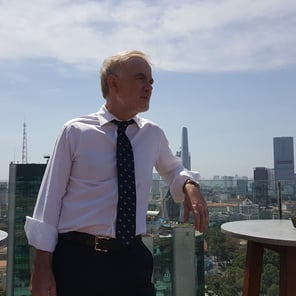
Barry J. Pollack, 61 ans, / Cabinet Harris St. Laurent & Wechsler LLP New York Washington D.C / https://lnkd.in/dvv_aBDH / est pour le moment l'avocat de Maduro. https://lnkd.in/dacMmDxG
A obtenu l’acquittement d’un comptable dans le scandale Enron. Alors que Julian Assange risquait la prison à vie en vertu de l’Espionage Act, Pollack a négocié un accord de plaider coupable portant sur un seul chef. Libération de Assange sans entrer sur le sol continental des États-Unis en 2024, avec une peine de 62 mois considérée comme déjà purgée au Royaume-Uni.
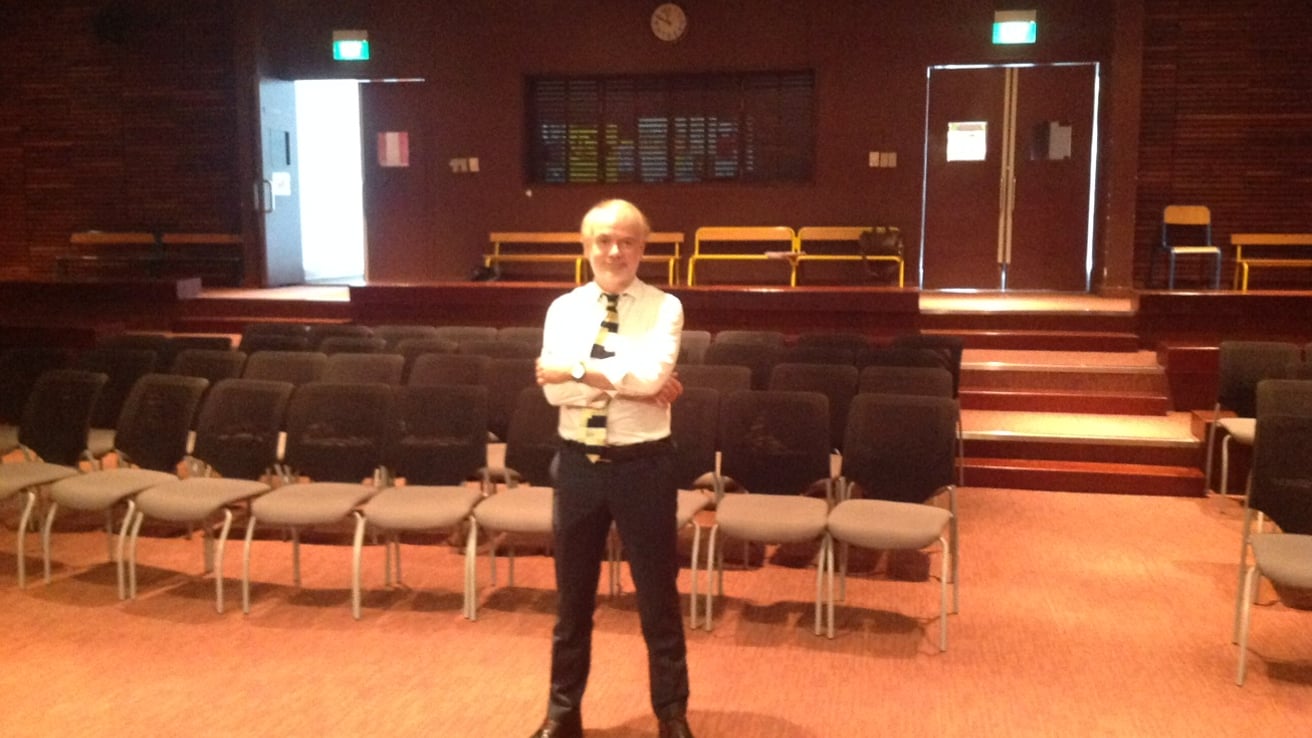
Face au juge fédéral Alvin Hellerstein !
Celui-ci âgé de 92 ans, depuis le 28 décembre 2025. Entre autres ex avocat militaire entre 1957 et 1961. Il a présidé le procès de la banque française BNP Paribas reconnue, en octobre 2025, complice d’exactions au Soudan. En charge de la procédure visant l’ancien chef du renseignement militaire vénézuélien sous la présidence de Hugo Chavez, Hugo Carvajal, pour trafic de drogue, dans laquelle Nicolas Maduro apparaît depuis 2020. Le juge Hellerstein a déjà condamné un autre accusé dans ce dossier, l’ancien général vénézuélien Cliver Alcala Cordones, à vingt et un ans et huit mois de prison en 2024. A statué dans des procès au civil liés aux attentats du 11-Septembre, dans des affaires de traitement par la CIA de détenus accusés de terrorisme, ou de sévices infligés aux détenus de prisons militaires américaines en Irak et Afghanistan. A condamné à dix-huit ans de prison Bill Hwang, l’ancien patron du fonds d’investissement américain Archegos Capital Management, dont l’implosion avait secoué les marchés financiers en 2021. https://lnkd.in/dxTC9D82